
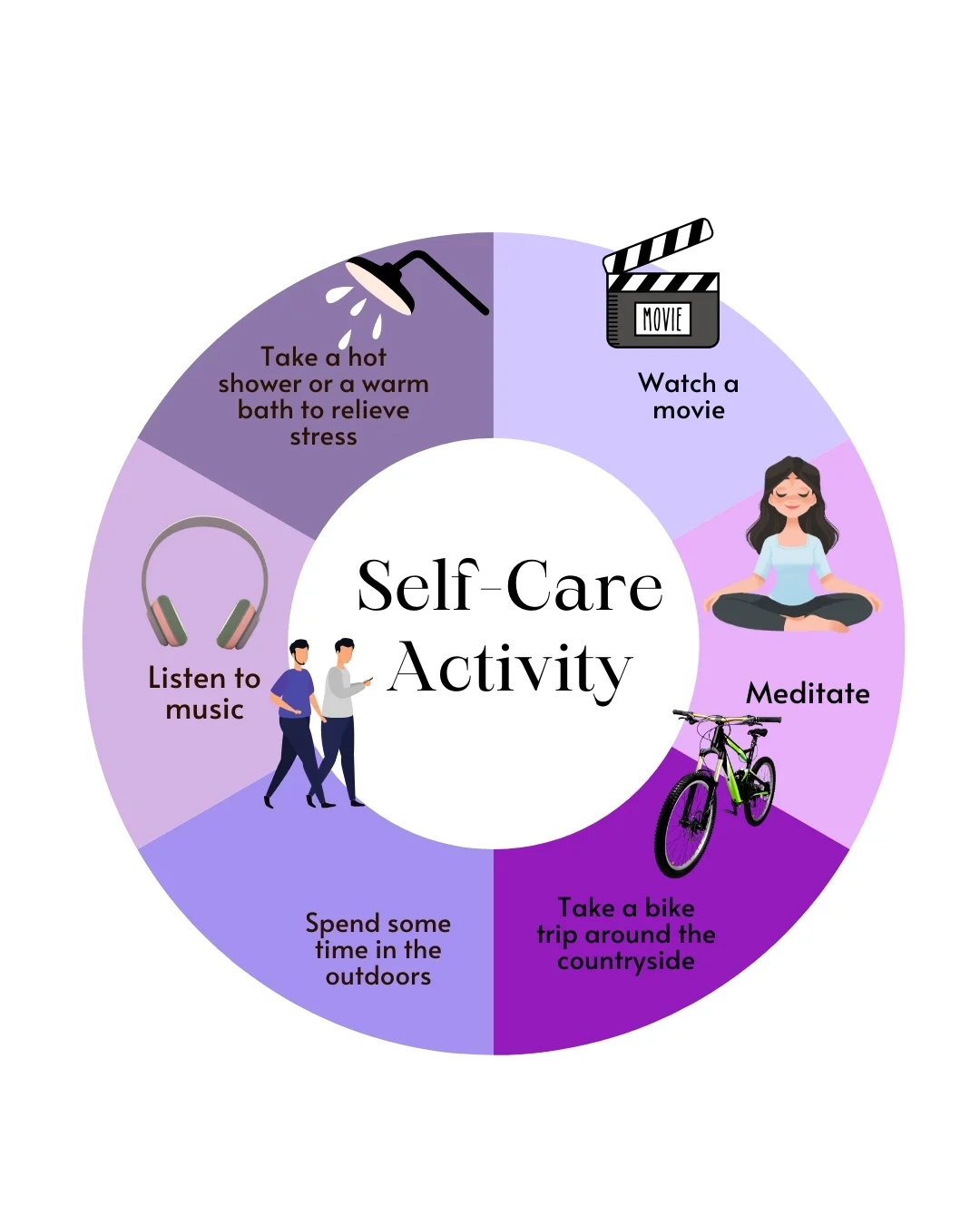
In the hustle of everyday life, it’s easy to overlook the one person who needs the most attention—you. Whether it’s juggling tight work schedules, meeting social obligations, or simply trying to keep up with the online world, self-care can quietly slip down the list of priorities. But here’s a gentle reminder: your mental health deserves care every single day.
Every year, International Self-Care Day is observed on July 24th to encourage people to take responsibility for their physical and mental well-being. The date 24/7 symbolizes continuous care—because your well-being matters every minute of the day.
Let’s explore how you can take better care of your mental health with this simple and effective self-care checklist.
What is International Self-Care Day?
International Self-Care Day (ISD) was initiated by the International Self-Care Foundation (ISF) in 2011. The goal? To raise awareness about the importance of personal self-care practices for both physical and mental health.
Why July 24th?
The date 24/7 represents the idea that self-care should be a lifelong, ongoing commitment—not something we think about only when we feel unwell.

Why Mental Health Is a Core Part of Self-Care
Self-care is not just about spa days, smoothies, or skincare. While those help, mental health care is the foundation. Without it, everything else falls apart.
Ignoring mental health can lead to:
- Chronic stress and anxiety
- Burnout and fatigue
- Sleep problems
- Low motivation and energy
- Poor decision-making
That's why building a mental wellness routine is more important than ever.
The Self-Care Checklist for Mental Health
Here’s a simple and practical checklist to help you reflect: Are you really taking care of your mental health?
1. Are You Sleeping Enough?
- Adults need 7–9 hours of sleep per night.
- Stick to a routine (sleep and wake up at the same time daily).
- Avoid screens 30 mins before bed.
Poor sleep is directly linked to mood disorders like depression and anxiety.
2. Do You Take Breaks During the Day?
- Take short breaks every 1–2 hours.
- Go for a walk, stretch, or simply pause.
- Take short pauses to help your mind relax and recover.
Micro-breaks can boost productivity and reduce stress.
3. Do You Say ‘No’ When Needed?
- Don’t overload your schedule.
- Set boundaries with work and people
- It's okay to say no without guilt.
People who set boundaries experience less emotional exhaustion.
4. Are You Moving Your Body?
- Even 15–30 minutes of walking helps.
- Dance, yoga, or a home workout—anything you enjoy
- Regular exercise = better mood + less anxiety
Physical activity releases feel-good hormones like endorphins.
5. Do You Talk to Someone When You Feel Low?
- Reach out to a friend or therapist
- Join support groups if needed
- Don’t isolate yourself—your feelings are valid.
Talking helps reduce emotional pressure and improves clarity.
6. Are You Limiting Screen Time?
- Avoid doom-scrolling or overuse of social media.
- Set digital boundaries (e.g., no phone during meals or bedtime).
- Try a digital detox. Excessive screen time is not good for you.
7. Are You Eating Mindfully?
- Don’t skip your food.
- A healthy mind starts with healthy food—add greens, nuts, grains, and berries to your diet.
- Stay hydrated.
8. Do You Practice Gratitude or Reflection?
- Write down things you’re grateful for every day.
- Keep a simple journal
- Reflect on what brings you peace or stress.
Gratitude can reduce negative thinking and improve mental well-being.
9. Are You Doing Things You Love?
- Paint, read, garden, cook—anything that makes you happy.
- Creativity can heal mental fatigue.
- Give yourself time to heal and grow.
10. Have You Asked for Professional Help if Needed?
- Mental health professionals can guide you.
- Therapy is not only for crisis—it’s also for prevention.
- Online therapy is more accessible than ever.
Final Thoughts
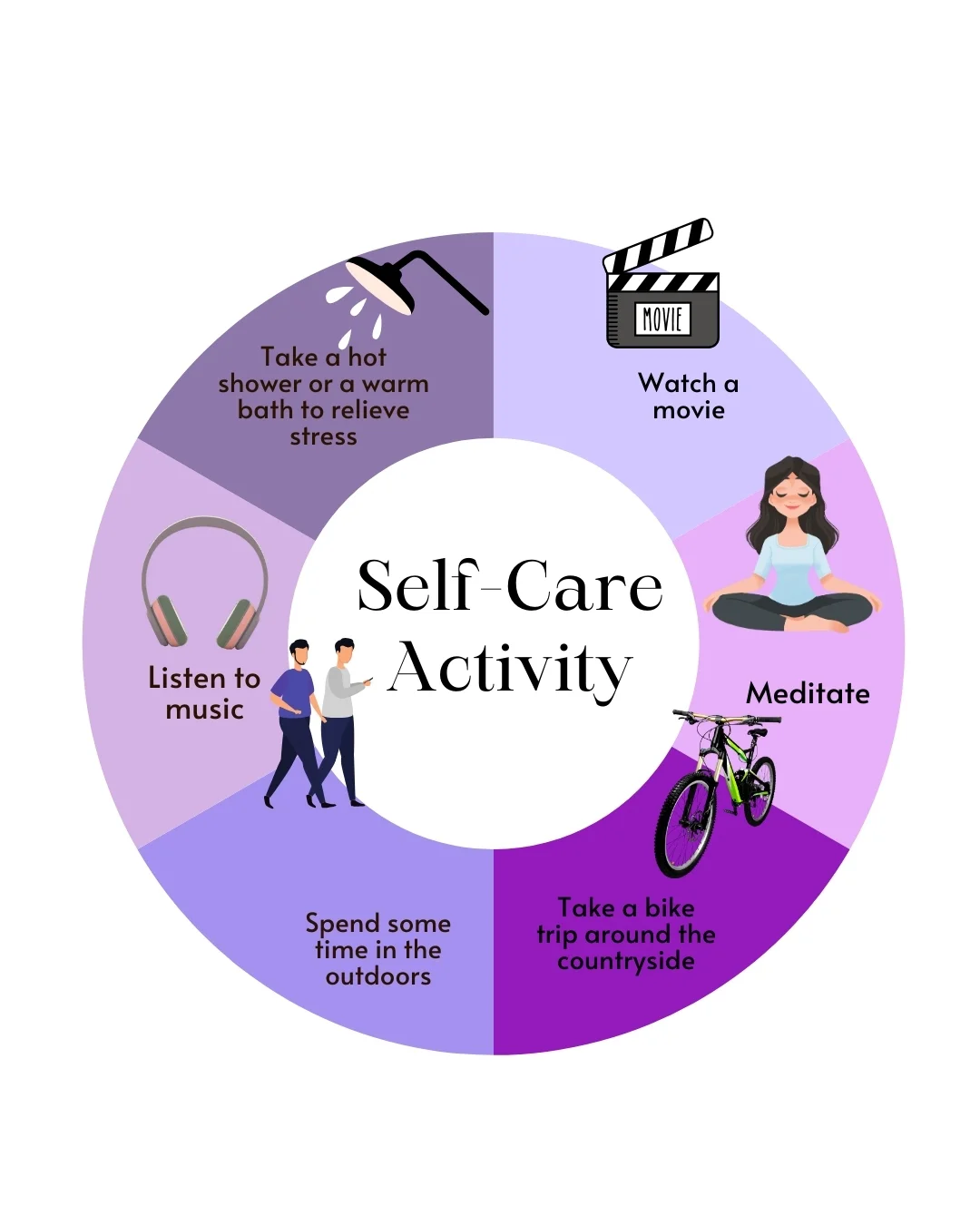
Taking care of your mental health doesn’t need a big budget or a complete lifestyle change. It starts with small, intentional actions. This Self-Care Day, check in with yourself.
Ask:
- Am I listening to my mind and body?
- Am I showing up for myself as I do for others?
Remember, self-care is not selfish. It’s survival.
Make your mental health a priority 24/7, not just on July 24th.
References:
- International Self-Care Foundation (ISF) – Background on International Self-Care Day
- American Psychological Association (APA) – Impact of stress on mental health
National Institute of Mental Health (NIMH) – Importance of hobbies and activities for mental wellness - World Health Organization (WHO) – When and why to seek professional mental health help