
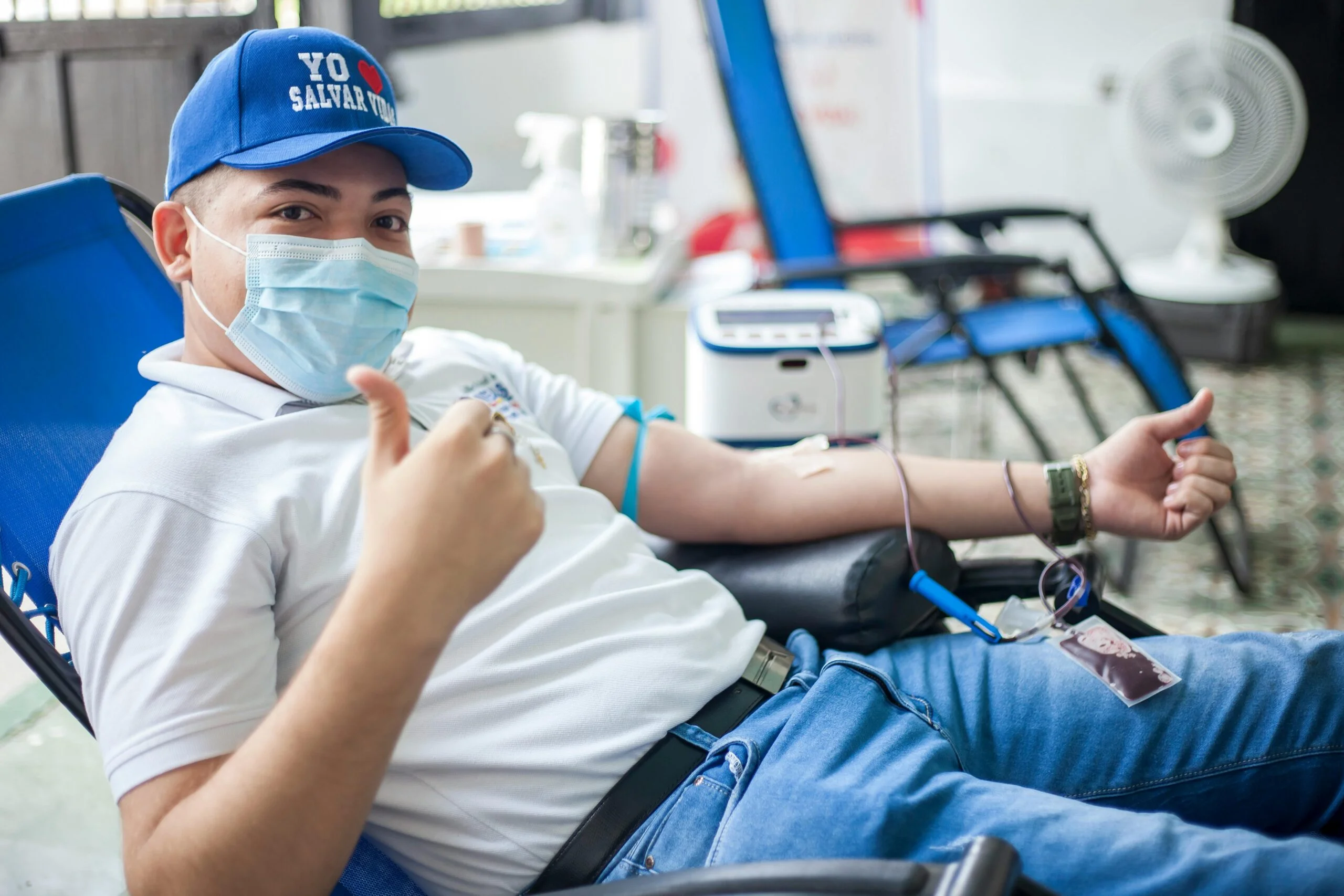
Giving is the purest form of love. Donating blood isn’t just about giving a fluid—it’s about offering someone a new chance to live. It doesn’t take much—just a few minutes of your time, a bit of care, and the will to help. But this small act carries a huge impact.
Still, like any good deed, it’s important to do it the right way.
In this blog, we’ll walk you through the essential precautions before, during, and after donating blood—so you feel confident, stay safe, and keep doing this life-saving act, again and again.
Why Blood Donation Matters?
Every two seconds, someone in the world needs blood. A single blood donation has the potential to save as many as three lives. Still, many countries continue to face a shortage in blood supply.
Fact: According to the World Health Organization (WHO), only 3% of the eligible population donates blood.
Before Donating Blood
Follow these tips to get mentally and physically prepared:
1. Eat Well
- Have an iron-rich meal a day before (spinach, beans, lentils, or red meat).
- On the day of donation, eat a light, non-fatty meal 2-3 hours before.
- Stay away from fried and greasy foods, as they may interfere with your blood test results.
2. Stay Hydrated
- Drink plenty of water before donating.
- Don't consume alcohol 24 hours before.
3. Get Enough Sleep
- Getting enough sleep helps your body heal more quickly.
4. Wear Comfortable Clothing
- Wear sleeves that roll up easily.
5. Carry ID.
- Most blood centers ask for a government-issued ID.
During Blood Donation
Stay calm. The process is quick and safe.
1. Answer Honestly
- A health worker will ask questions about your health.
- Be truthful—this ensures safety for you and the receiver.
2. Relax Your Arm
- Sit back and keep your arm still during the donation.
- The whole process takes 10–15 minutes.
3. Breathe Normally
- If you feel dizzy, tell the staff. It’s common and nothing to fear.
After Donating Blood
Now that you’ve helped someone, here’s how to help yourself.
1. Rest for a while.
- Sit or lie down for 10–15 minutes.
- Eat the snacks and juice provided.
2. Stay Hydrated
- Drink water, juice, or any non-caffeinated drink for the next 24 hours.
3. Avoid Heavy Work
- Don’t lift heavy objects or exercise for the next 24 hours.
4. Don’t Smoke or Drink
- Wait at least 2–3 hours before smoking.
- Avoid alcohol for the rest of the day.
5. Watch for Side Effects
- Mild dizziness, bruising, or fatigue is normal.
- If bleeding continues or you feel unwell, contact the blood center.
Who Should Not Donate Blood?
You should avoid blood donation if:
- You are under 18 or weigh less than 50 kg.
- You have a fever, infection, or cold.
- You have recently had surgery or a tattoo.
- You are on certain medications or have health issues like HIV, hepatitis, or anemia.
Source: Red Cross Blood Donation Guidelines
How Often Can You Donate Blood?
- Whole blood: Every 56 days (8 weeks)
- Platelets: Platelets can be donated every 7 days, up to 24 times a year.
- Plasma: Every 28 days
Blood donation is more than just a medical act. It's a quiet promise to help others. One bag of blood may not change the world. But for someone, it could mean everything.
Take care of your body before you donate. Listen to it during the process. Support its healing after donation. These simple steps help you stay healthy and keep giving safely.
Blood can’t be made in a lab. It can’t be stored forever. It can only come from someone like you.
📚 References
- World Health Organization (WHO) – Blood Safety and Availability
https://www.who.int/news-room/fact-sheets/detail/blood-safety-and-availability - American Red Cross – Eligibility Requirements
https://www.redcrossblood.org/donate-blood/how-to-donate/eligibility-requirements.html - National Blood Transfusion Council, India – Guidelines for Blood Donation
https://nbtc.naco.gov.in - CDC – Blood Safety Basics https://www.cdc.gov/bloodsafety/index.html